Source Exhaust Pipe Gasket for Engine, Transmission, and Retrofit
Find 30 exhaust pipe gasket options from China. Compare graphite and stainless steel materials, ISO certifications, and warranty terms for automotive exhaust systems. Evaluate single lip designs, high-speed applications, and standard components. Review delivery times and packing details to select the right fit for your vehicle needs.
Key considerations
Products List


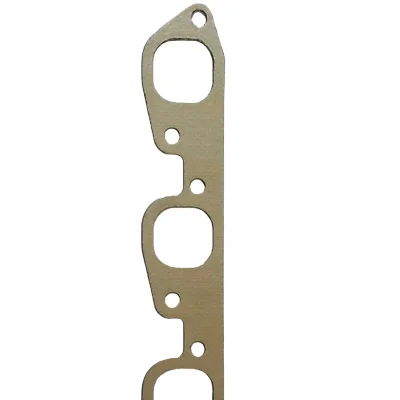
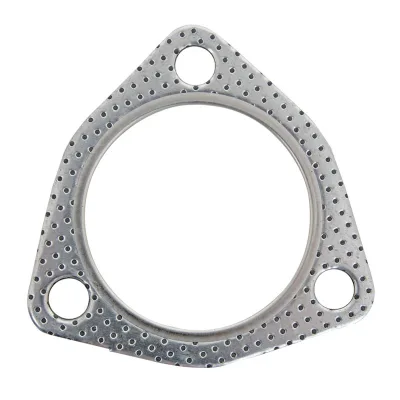
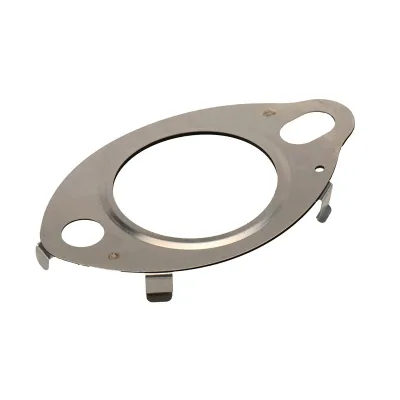


Comprehensive Sourcing Guide
Exhaust Pipe Gasket Sourcing Guide
Procuring exhaust pipe gaskets requires a clear understanding of the specific material composition and design constraints inherent to the supply chain. Buyers must verify whether the gasket utilizes graphite or a composite of graphite and stainless steel, as these materials dictate thermal resistance and sealing longevity under high engine temperatures. The observed market data indicates that products often feature a single lip design, which simplifies installation but demands precise alignment with the flange surface to prevent exhaust leaks.
Sourcing decisions should also account for the intended application, ranging from universal fitment to specific automotive chassis noise reduction needs. While some listings highlight compatibility with engine and transmission systems, others focus on retrofit or upgrade purposes for older vehicle models. It is critical to confirm that the gasket's discharge standard, such as Euro IV, aligns with local environmental regulations before finalizing any purchase order to ensure regulatory compliance and avoid potential penalties.
Product Scope and Observed Listing Signals
The current market for exhaust pipe gaskets displays a wide variance in pricing and minimum order quantities, reflecting the diversity of supplier capabilities and product tiers. Prices observed in the sector range significantly, suggesting that buyers must distinguish between basic sealing components and high-performance units designed for high-speed or pressure-type applications. The minimum order quantities can vary from single units to bulk orders of one thousand pieces, requiring procurement teams to balance inventory costs against immediate production needs.
Listing signals often include specific packaging details, such as individual packing boxes or cartons, which influence logistics planning and storage requirements. Buyers should scrutinize product names and keywords like "catalytic converter gasket" to ensure the item matches the exact system component being replaced. Additionally, the presence of specific part numbers, such as REC27-99757, serves as a vital verification step to confirm that the gasket is compatible with the target vehicle model or engine configuration.
Technical Specifications to Verify
Technical verification begins with confirming the physical dimensions and structural integrity of the gasket against the vehicle's original equipment specifications. The observed data highlights standard sizes like 80mm, yet buyers must validate that the single package size and gross weight align with their shipping and handling protocols. It is essential to ensure the gasket is designed for the specific pressure type and speed conditions of the engine, as mismatched specifications can lead to premature failure or compromised exhaust system performance.
Buyers must also assess the manufacturing techniques employed, such as casting or other assembly methods, to determine the durability of the final product. The distinction between assembled and standard components is crucial, as it affects the gasket's ability to withstand thermal expansion and vibration. Verifying that the product is in new condition and matches the stated car model, whether universal or specific, prevents installation errors and ensures the gasket performs effectively within the automotive exhaust system.
Compliance and Safety Documentation
Compliance with international standards is a non-negotiable aspect of sourcing exhaust components, particularly regarding emission control and safety. The supply chain frequently references certifications such as ISO, E-Mark, and CE, which indicate adherence to rigorous quality and safety benchmarks. Buyers should request valid documentation to prove that the gasket meets the required discharge standards, ensuring that the vehicle remains compliant with environmental laws in its intended market, such as North America.
Safety documentation must also cover the material safety data sheets and any specific testing results related to the graphite or stainless steel composition. While some suppliers claim high-quality standards, buyers must independently verify these claims through third-party audit reports or factory certifications like ISO9001. Ensuring that the product origin, often listed as China, aligns with the buyer's import regulations and that the supplier maintains transparent quality control records is essential for mitigating supply chain risks.
Cost Drivers and Commercial Terms
Commercial terms are heavily influenced by the complexity of the gasket design and the specific material costs associated with graphite and stainless steel composites. The observed price range suggests that buyers should expect significant cost variations based on the warranty period, which can range from two years to three years, and the level of customization available. Understanding these cost drivers helps procurement teams negotiate better terms and anticipate potential price fluctuations due to raw material market volatility.
Lead times and delivery schedules are critical factors that impact overall procurement costs and production planning. The market data indicates a typical delivery window of 7 to 15 days, but this can vary based on the supplier's location, such as Shandong or Hebei, and the current order volume. Buyers must clarify whether the quoted price includes packaging costs and shipping fees, as the single package size and weight can affect freight charges and ultimately the total landed cost of the inventory.
Supplier Qualification and Quality Control
Supplier qualification requires a thorough review of their manufacturing capabilities and their track record in producing high-quality automotive components. Buyers should prioritize suppliers who explicitly state their use of advanced techniques and offer warranties that reflect confidence in their product durability. The presence of a brand name, such as Hengyi, can serve as an initial indicator of market reputation, but it must be backed by verifiable quality control processes and consistent adherence to the stated standards.
Quality control protocols must be rigorously enforced to ensure that every gasket meets the specified dimensions and material properties. Buyers should verify that the supplier conducts regular inspections to maintain the high-quality status claimed in their listings. Establishing a clear communication channel for addressing defects or non-conformities is essential, as the warranty period provides a safety net but does not replace the need for proactive quality assurance measures during the production and shipping phases.
Long-Term Procurement Checks
Long-term procurement success depends on establishing a reliable supply chain that can consistently meet volume demands without compromising quality. Buyers should monitor the supplier's ability to maintain the observed lead times and manage inventory levels to prevent stockouts during peak production periods. Regular audits of the supplier's facilities and their adherence to certifications like ISOCCC ensure that the partnership remains robust and capable of scaling with the buyer's business needs.
Continuous performance evaluation is necessary to validate that the gaskets continue to meet the required technical and compliance standards over time. Buyers should track warranty claims and return rates to identify any emerging quality issues that might not be apparent during initial sampling. By maintaining a disciplined approach to supplier management and regularly reviewing the product specifications against evolving industry standards, organizations can secure a stable supply of exhaust pipe gaskets that support their long-term operational goals.
FAQs
What certifications do exhaust pipe gaskets typically hold?
Exhaust pipe gaskets often hold ISO9001, E-Mark, CE, and ISOCCC certifications. These standards ensure quality and compliance with international safety regulations. Buyers should verify specific documentation from suppliers to confirm that the gaskets meet required industry standards for automotive applications.
How long is the delivery time for these gaskets?
The standard delivery time for exhaust pipe gaskets ranges from 7 to 15 days. This lead time allows for efficient production and shipping processes. Buyers should confirm exact schedules with manufacturers to ensure timely receipt of goods for their specific project requirements.
Which materials are used to manufacture these gaskets?
Manufacturers commonly use graphite or a combination of graphite and stainless steel for these gaskets. These materials provide durability and heat resistance essential for engine and transmission applications. The choice of material ensures the gasket performs reliably under high-pressure conditions.
Can buyers request customization for these exhaust components?
Yes, customization is available for exhaust pipe gaskets to meet specific vehicle needs. Buyers can request tailored specifications to ensure a perfect fit for their automotive systems. This flexibility allows for upgrades or retrofits while maintaining high-quality performance standards.
What is the minimum order quantity for these gaskets?
The minimum order quantity typically starts at 100 pieces for exhaust pipe gaskets. Some suppliers may offer lower MOQs, but 100 is a common baseline. Buyers should check individual supplier policies to find options that match their inventory and budget constraints.
Where are these exhaust gaskets primarily manufactured?
These gaskets are primarily manufactured in China, specifically in regions like Shandong and Hebei. These locations host numerous factories capable of producing high-quality automotive components. Buyers can source directly from these established manufacturing hubs for reliable supply chains.
What warranty is provided for these gasket products?
Warranty periods for these gaskets typically range from two to three years. This coverage ensures product reliability and protects buyers against manufacturing defects. Specific warranty terms may vary by supplier, so buyers should review the detailed agreement before finalizing their purchase.